
Children's books • learning worlds • SEND resources • school programmes
Hewston Higgins Books & Learning
Written by Jonathan Hewston • Sources reviewed October 2026 • Educational information, not clinical advice.
Maths resources

KS1 & early maths resources

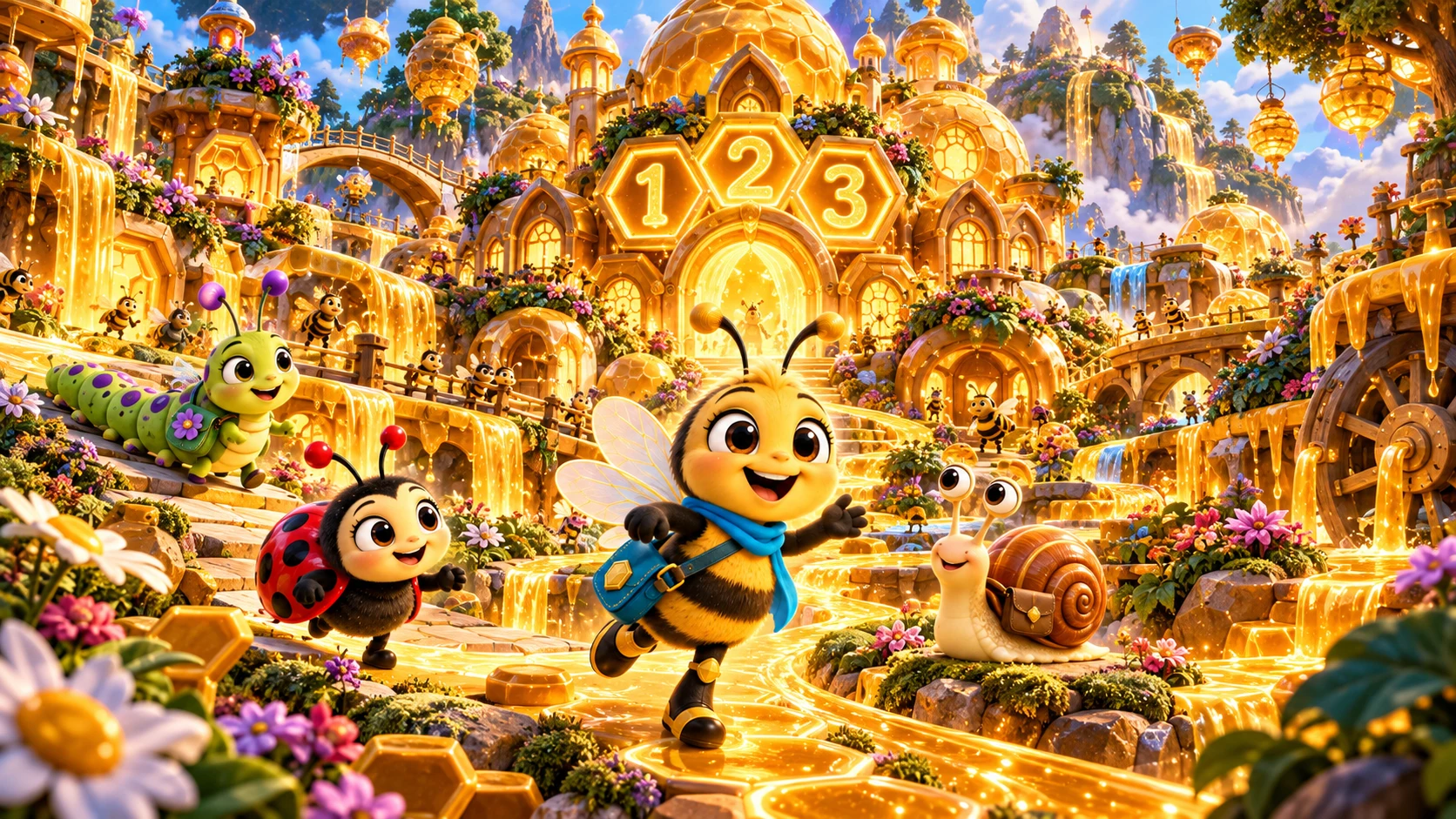
Turn early number practice into a visual adventure through the Beeazy Maths worlds.

Maths that looks like an adventure, not a worksheet pack.

Beeazy Maths is designed around visual number representations, recurring characters and activities integrated into the scenery. Book 1, The Number Hive, starts with counting and core early-number experiences before later books extend the sequence.

Useful search topics this hub will cover

KS1 counting activitiesearly years number resourcesvisual maths resourcesSEND maths resourcesnumber recognition activitiesmaths for neurodivergent learners

Explore Beeazy Maths

Detailed guide

KS1 maths: practical context for families and schools

Why engagement matters

Children need opportunities to practise mathematics repeatedly, but repetition does not have to mean visually identical worksheets. A connected world can make the reason for the next task clearer and create a sense of progress.

Keep the maths explicit

The story should support the mathematics rather than hide it. Beeazy Maths keeps number goals visible, uses examples and gives children active tasks so the imaginative layer does not replace the learning objective.

Small steps and scaffolding

EEF SEND guidance highlights explicit instruction and scaffolding among evidence-informed approaches. In practice that can mean modelling, guided practice, prompts, examples and gradually reducing support as a child gains confidence.

Visual representations

Quantities, patterns and relationships are easier to discuss when children can see or manipulate representations. Beeazy builds those visual elements into the environment so the maths is part of the world.

Designed for varied learners

The series is intended to be engaging for a broad range of children, including some neurodivergent learners. It does not claim that all neurodivergent children share a single learning style or that visual resources are universally superior.

How we use evidence

Hewston Higgins separates educational design choices from clinical claims. Government, NHS, NICE and EEF sources are used to explain the context; the books themselves are presented as educational resources, not proven treatments.

Written by Jonathan Hewston • Reviewed October 2026
Practical use

What to look for in engaging KS1 maths resources

Engagement matters, but the mathematical purpose must remain visible. A strong early-maths resource should make it clear what children are noticing, counting, comparing, representing or discussing rather than adding decoration that competes with the learning.

Connect concrete, visual and symbolic ideas

Children benefit from seeing quantities and relationships represented in meaningful ways. Objects, groups, paths, patterns and characters can provide a visual context before or alongside abstract notation.

Keep progression deliberate

Novelty should not mean jumping unpredictably between concepts. Beeazy Maths is planned as a sequence of worlds so each book can focus on a defined learning area and later books can build on earlier ideas.

Use talk as part of maths

Prompts such as “How many?”, “How do you know?”, “What changed?” and “Can you find another?” help make mathematical thinking visible. The surrounding story gives children a reason to use that language rather than answering disconnected questions.

Use with professional judgement

Hewston Higgins resources are educational materials. They do not diagnose, treat or replace individual educational, medical or therapeutic support.

Read the evidence and claims policy →